A single statistic gets repeated across marketing blogs so often that it starts to sound like a settled fact. Ninety two percent of consumers trust earned media more than paid ads the claim goes and it shows up in agency proposals and blog posts alike.
The number is real, but it gets stretched further than the original research actually supports.
The 92 percent figure traces back to a Nielsen global trust in advertising study, and it originally measured something narrower than earned media as a whole. It measured how much people trust recommendations from people they know compared to advertising.
That distinction matters, and understanding it changes how the stat should actually inform a PR strategy.
None of this makes the underlying point wrong. Earned media carries more trust than paid ads across study after study. It just means the number deserves a closer look before anyone builds a strategy around it.
In this blog, we will discover why consumers prefer earned media, where earned media actually falls short, and why paid media still earns a place in a strategy built around trust.
Earned media carries the kind of credibility a brand cannot manufacture on its own. When a journalist a reviewer, or a stranger with no financial stake says something positive an audience reads that as evidence rather than a sales pitch.
A brand saying the same thing about itself reads as marketing even when it is equally true. That gap between a claim and an endorsement is exactly why earned coverage moves people in a way advertising rarely does.
The Story Behind That 92% Number
Researchers call this effect borrowed credibility. A journalist or a reviewer lends their own reputation to a claim simply by repeating it, and that transfer is what makes the message land differently than an ad ever could. The original Nielsen global trust in advertising study found recommendations from people they know scored highest, with 92 percent saying they trusted this source completely or somewhat.
That trust does not hold unconditionally. Once an audience senses a mention was paid for or coordinated, the credibility disappears, and the message gets read as advertising in disguise.
Disclosure rules exist for exactly this reason and audiences have become sharp at spotting sponsored content dressed up as organic opinion.
Earned media is genuinely tough to secure and that difficulty is the honest tradeoff behind all of that trust.
A brand cannot simply decide to get featured. A press mention depends entirely on whether a journalist finds the story interesting enough to cover on their own schedule.
No Control Over Timing or Placement
There is no guaranteed placement and no fixed timeline. A pitch can get declined outright or simply ignored and a brand has almost no control over when or whether coverage actually happens.
That lack of control is the real drawback most brands underestimate before they build a strategy around earned coverage alone.
Paid media solves the exact problem earned media cannot. An ad runs the moment a brand is ready to launch it rather than waiting for someone else’s interest and timeline.
Speed and Control Paid Media Provides
- Complete control over the message timing and audience targeting
- Guaranteed placement instead of a pitch that might get declined
- Faster results when a launch or promotion needs visibility immediately
- Precise measurement tools that tie spend directly to clicks and conversions
None of these advantages make paid media more trustworthy. They make it more reliable on a deadline which is a different kind of benefit than the credibility earned media provides.
That reliability is exactly why so few brands ever abandon paid media entirely even once earned coverage starts coming in.
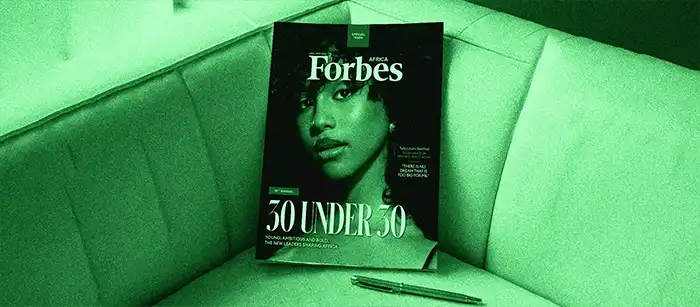
Picture a founder who spends months pitching a story only to land a feature in a respected magazine read by exactly the audience their product serves.
A Magazine Placement Example
That single placement does something no ad campaign can replicate on its own. Readers already trust the publication so the credibility of that trust extends to the brand mentioned inside it.
That kind of borrowed trust is precisely what makes a magazine feature worth the wait even when the timeline stays completely out of the founder’s hands.
The founder never controlled when that story ran or which angle the writer chose to feature. That surrender of control feels uncomfortable to most founders used to running paid campaigns on their own schedule.
That tradeoff between waiting for the right moment and earning that level of trust is the exact bargain earned media asks a brand to accept.
Treating earned and paid media as competing choices misses how most successful brands actually operate. The strongest campaigns use paid media to control timing and reach while using earned media to build the credibility that makes people believe what the ads are saying in the first place.
A Mix That Actually Works
Let’s take a look at how the two channels actually compare side by side.
| Factor | Earned Media | Paid Media |
|---|
| Trust Level | High since it comes from an independent source | Lower since audiences know it is sponsored |
| Control | Little control over timing or angle | Complete control over message and timing |
| Speed | Depends on a journalist’s interest and schedule | Runs the moment a brand is ready |
| Best Use | Building long-term credibility | Driving immediate reach on a deadline |
A mix built around each channel’s actual strength avoids wasting either one. Paid budgets work harder once a brand already has some earned credibility behind it since audiences arrive primed to believe the message rather than filter it out.
Earned coverage travels further when a brand has the paid budget to put it in front of the right audience instead of leaving its reach to chance.
Where Pressiqa Fits In
Securing media placements takes ongoing relationships with journalists, a clear sense of what makes a story newsworthy, and the patience to pitch consistently rather than occasionally.
Pressiqa works with founders and brands to build that side of the strategy, developing story angles and placing them with journalists and outlets across a wide media network so a brand’s PR services have real independent credibility to point back to rather than standing on their own.
Conclusion
The 92 percent statistic will keep getting repeated often without its original context. What matters more than the exact number is the pattern behind it. Independent validation persuades in a way self promotion cannot and the strongest strategies use both channels for what each one actually does well.
None of that requires abandoning paid channels. It just means treating earned coverage as the credibility layer paid media builds on top of rather than a nice to have.
Reach out through get a free quote to see where earned coverage might fit alongside what you are already doing.