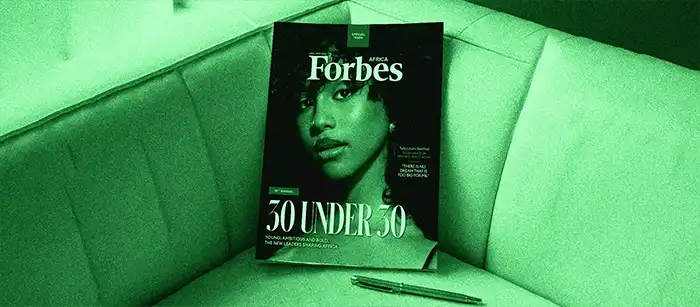
A magazine cover and an editorial feature both put a CEO’s name and face in front of readers who matter, but they create authority through very different paths, and confusing the two costs founders time, money, and a placement that never delivers what they expected.
A CEO magazine cover works best when the goal is prestige and broad recognition, since the placement puts the executive on the front of the publication itself. An editorial feature works best when the goal is specific credibility on a topic, since it places the CEO’s expertise inside an article, byline, or expert quote instead. Neither format outranks the other. The right pick depends on what the CEO needs the coverage to prove.
Most CEOs choose a format based on prestige alone, then wonder why the placement did not deliver what they actually needed. Knowing what each format does, and where each one commonly falls short, makes the choice easier.
What Is A CEO Magazine Cover And What Is An Editorial Feature
A CEO magazine cover places the executive’s photo and name on the front page of a print or digital publication, paired with a cover story inside that covers the executive’s background, business, and current work. It is the highest visibility placement a publication offers, and it is typically reserved for executives with a clear angle, a notable milestone, or a story that fits the publication’s audience at that moment.
Cover Placement
Covers are limited, so publications are selective. Editors look for a strong visual, a timely hook such as a funding round or product launch, and a story that will pull readers who do not already know the executive.
Editorial Feature
An editorial feature places the CEO inside the publication rather than on the front of it. This can take the form of a byline article the CEO contributes, a quote inside a larger story, or a profile piece that runs alongside other content. It is less exclusive than a cover but often easier to secure and repeat.
How Magazine Cover Placements Work For CEOs
Cover placements start with a pitch focused on a specific angle, not a general request for coverage. Publications want to know why this executive, in this business, matters to their readers right now. A pitch that leads with a company mission statement instead of a timely, specific hook rarely gets past an editor’s first read. Academic research on how CEOs influence corporate reputation shows the effect is measurable, not anecdotal, in the Academy of Management Journal, which is one reason editors vet cover candidates so carefully before running a story.
Editorial Vetting
Editors vet cover candidates against their audience, checking whether the executive’s story fits the readership and whether the timing lines up with a launch, milestone, or market shift worth covering.
Cover Story Angles
The strongest cover pitches connect a personal story to a business result. A founder’s background, an unconventional path into the industry, or a contrarian view on the market tends to perform better than a routine company update.
How Editorial Features Differ From Covers
An editorial feature earns space inside the publication instead of on the front of it, which changes what editors are looking for. Instead of a single dramatic angle, they want expertise, a clear point of view, and commentary that adds something a generalist reporter could not write on their own.
- A contributed article, a full byline piece written under the CEO’s name
- Quoted expert commentary inside a reporter’s story
- A standalone profile feature focused on the executive or the company
- A roundup mention alongside several other executives on the same topic
Contributed Articles
A contributed article gives the CEO the most control over the message, since the piece runs under their byline. It also takes the most preparation, since editors expect original thinking rather than a repackaged press release.
Quoted Commentary
Quoted commentary requires less lead time and can happen repeatedly across multiple stories, which makes it useful for CEOs creating a steady presence rather than chasing one big placement.
Each format asks for a different kind of preparation, and treating them as interchangeable is where most placement pitches go wrong.
Where This Usually Goes Wrong
Most CEOs approach cover and feature pitches the same way, and that is the first mistake. A pitch written for a cover rarely works for a byline feature, and a generic company bio sent to every publication gets ignored by both.
Format Mismatch
Chasing a cover because it looks impressive, when the actual goal is topic specific credibility, wastes a pitch. A quoted feature on a relevant subject often does more for a CEO’s authority in that specific area than a cover the audience does not fully connect to.
No Follow Through
A placement that runs once and gets forgotten does little for long term authority. Without a plan to repurpose the coverage on the company site, in outreach, or across other channels, even a strong placement fades within weeks.
Making The Smarter Placement Choice Per Your Objective
The format only works if it matches what the CEO is actually trying to prove. A founder chasing investor trust needs a different placement than one trying to attract talent or shift industry perception. Pressiqa’s process starts with that goal, not the format, which is why the placement type gets chosen last, not first.
Matching Format To Goal
An investor facing raise usually calls for a cover, since the goal is broad recognition fast. A CEO trying to establish topic authority in a specific niche usually gets more benefit from repeated editorial features, since credibility adds up across multiple placements rather than a single one. Every magazine placement should start with that goal clearly defined, not the format the executive finds most flattering. CEOs comparing formats can review documented success stories to determine which approach best supports their objectives before committing to a pitch. Let’s give you a real-life example.
Jennifer Evans Case Study
Jennifer Evans, CEO of Events by Jennifer Evans, needed visibility that matched her actual growth goal, not a placement chosen for prestige alone. Her coverage was matched to that objective instead of picked for name recognition, and she saw a 520 percent increase in visibility as a result. The placement type followed the goal. The goal did not follow the placement type.
Conclusion
The cover gets the attention. The feature makes the case. Most CEOs need both at different points, not one instead of the other, and the mistake is picking a format because it sounds better rather than because it proves something specific about the business. Ready to figure out which placement fits where your company stands right now? Get a free quote and start with the goal, not the format.